Tap Brawl Strategy Guide: Master the Art of Rapid Combat
Introduction
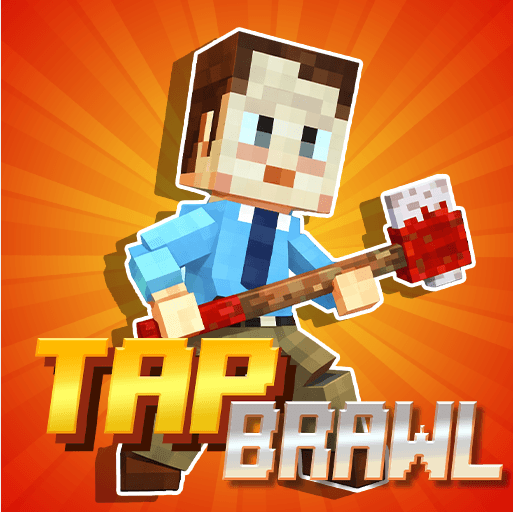
Tap Brawl throws you into a relentless arena where only your reflexes and timing determine survival. Unlike complex strategy games with intricate menus and countless mechanics, Tap Brawl distills combat down to its purest form: reaction speed and attack rhythm. The premise is elegantly simple—tap to attack, defeat your opponents, survive as long as possible—but mastering it requires dedication and strategic thinking.
The game's straightforward mechanics belie a surprisingly deep skill ceiling. Success here isn't about memorizing combos or managing resources—it's about developing muscle memory, reading opponent patterns, and pushing your reaction time to its absolute limit. This guide will transform you from a confused newcomer into a formidable combatant who can handle whatever the arena throws at you.
Understanding Tap Brawl's Core Mechanics
The foundation of Tap Brawl rests on a simple yet demanding combat loop. Every tap translates directly into an attack, with no delays or input buffering to soften your timing. Your character's strike lands almost instantaneously, creating a tight feedback loop between action and consequence. This immediacy is both the game's greatest strength and its sharpest challenge.
Each opponent you face possesses unique health pools and attack patterns. Early encounters might involve a single adversary with modest health, while later stages throw multiple fighters at you simultaneously. The key insight here is that attack speed alone won't carry you through. You need to balance aggression with awareness—knowing when to press forward and when to hold back becomes crucial as difficulty escalates.
The upgrade system introduces a strategic layer atop the raw combat. Between stages, you can enhance your character's base statistics, improving damage output, attack speed, or defensive capabilities. These choices compound over time, meaning early upgrade decisions shape your late-game viability. Prioritizing damage early lets you steamroll through initial waves, while investing in defense helps you survive the increasingly brutal encounters that await.
Essential Controls and Interface Navigation
Mastering Tap Brawl starts with understanding your input methods. The game supports both mouse clicks and touch inputs, with no meaningful difference in response time between them. This accessibility means you can play comfortably whether at a desk or on a mobile device. Your choice of device becomes a matter of personal preference rather than competitive advantage.
The screen layout places your character centrally, with opponents approaching from multiple directions as waves progress. Health bars appear above each combatant, giving you real-time feedback on damage dealt and received. When your health depletes, the run ends immediately—no last-second comebacks or dramatic reversals. This binary outcome rewards consistent performance over clutch moments.
Between combat phases, the upgrade interface presents your options clearly. Each stat boost costs resources earned from victories, so resource management becomes another skill to develop. The interface responds instantly to selections, letting you experiment freely with different builds without punishment.
Beginner Fundamentals
New players often make the critical error of tapping randomly without rhythm or purpose. While Tap Brawl rewards speed, mindless button mashing leaves you vulnerable during attack windows. Instead, establish a consistent tapping rhythm that you can maintain throughout each encounter. This approach preserves stamina and keeps your reactions sharp when they matter most.
Positioning matters more than many beginners realize. Although Tap Brawl doesn't feature traditional movement controls, your character automatically faces the nearest threat. This means you're always engaged with your closest opponent, but it also means you're potentially ignoring other threats approaching from the sides. Train yourself to scan the entire screen between attacks, anticipating threats before they reach attack range.
Watch opponent health bars carefully. When an enemy's health drops low, they often become more aggressive, trading blows more freely in desperation. Recognizing this shift lets you either press the advantage to secure the knockout or play defensively to avoid costly exchanges.
Intermediate Strategies
Once you've grasped the fundamentals, focus on optimizing your attack patterns. The difference between a good player and a great player often comes down to attack efficiency—getting maximum damage from minimum inputs. This doesn't mean tapping faster; it means tapping smarter.
Study the timing patterns of different opponent types. Some enemies telegraph their attacks with brief animations, giving you windows to strike uninterrupted. Others attack rapidly but deal less damage per hit. Identifying these patterns lets you prioritize threats appropriately, eliminating dangerous opponents first while handling less aggressive foes at your leisure.
Resource allocation becomes critical at this stage. With multiple upgrade paths available, choosing which stats to prioritize shapes your playstyle. A high-damage build lets you eliminate threats quickly but leaves you fragile. A defensive focus keeps you alive longer but extends combat duration, increasing opportunities for mistakes. Experiment with different configurations to find what matches your natural tendencies.
Advanced Techniques
Elite Tap Brawl players share several characteristics that separate them from the pack. First, they maintain perfect rhythm even under pressure. Their tapping never becomes erratic or panicked, even when surrounded by multiple threats. This consistency comes from extensive practice, building muscle memory that operates independently of conscious thought.
Second, advanced players develop predictive awareness. Rather than simply reacting to threats, they anticipate them, positioning themselves to minimize incoming damage while maximizing their own output. This might mean deliberately engaging one opponent to draw others into a cluster, making it easier to hit multiple targets with your attacks.
Third, they optimize their upgrade investments based on current stage progress. Rather than spreading resources evenly, they concentrate upgrades into specific stats that address immediate challenges, then reallocate as needed for later stages. This adaptive approach keeps them competitive as difficulty scales upward.
Fourth, they manage their mental state deliberately. Fatigue and frustration degrade performance significantly. Taking short breaks between sessions, staying hydrated, and maintaining a relaxed posture all contribute to sustained excellence across extended play sessions.
Common Mistakes and How to Avoid Them
The most frequent error new players commit is neglecting defense in favor of pure offense. While attacking feels rewarding, taking damage slows your progress significantly. Each hit you absorb reduces your capacity to continue, and accumulated damage from earlier stages carries forward. Prioritizing survival—even at the cost of some damage output—extends your runs considerably.
Another common pitfall is inconsistent tapping. Players often start matches tapping rapidly but lose rhythm as fatigue sets in, resulting in sloppy inputs and missed attack windows. Combat this by establishing a sustainable tapping pace from the beginning rather than burning out early. Speed matters less than consistency.
Finally, many players ignore the upgrade system entirely, treating it as optional rather than essential. This approach severely limits your potential. Every upgrade you skip represents lost power that compounds across all subsequent stages. Treat upgrades as mandatory progression steps, not bonus features.
Key Takeaways
Tap Brawl rewards dedication and precision above all else. Your path to mastery involves three core pillars: developing unwavering consistency in your attacks, understanding and exploiting opponent patterns, and making strategic upgrade decisions that amplify your strengths. Start with the fundamentals—establish rhythm, stay aware, respect enemy health bars—then layer complexity as you improve.
The difference between a novice and an expert comes down to hundreds of hours of deliberate practice, not innate talent. Every session is an opportunity to refine your skills and climb higher. Remember that survival trumps aggression, rhythm trumps speed, and upgrades trumps complacency. Keep these principles in mind, and you'll find yourself climbing the ranks faster than you thought possible.
Now get out there and show the arena what you're made of.