Arrow Arena: The Hidden Multiplayer Gem You've Been Missing
Most gamers have a graveyard of games they've tried that never quite clicked. But every now and then, you stumble upon something that feels different — a title that slipped under the radar despite having serious depth and addictive gameplay. Arrow Arena is exactly that kind of discovery. While the mainstream gaming world obsesses over the latest releases, this fast-paced multiplayer experience has been quietly building a dedicated following among players who value quick matches, skill-based combat, and that satisfying feeling of mastering something others haven't discovered yet.
First Impressions: When You Load Arrow Arena for the First Time
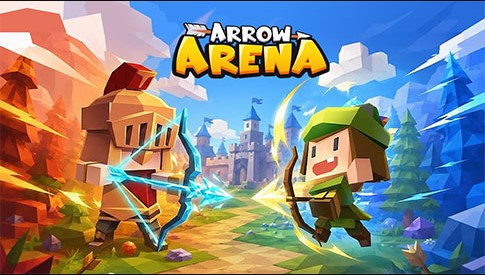
The moment Arrow Arena loads in your browser, you know this isn't another generic io game. The pixel art style immediately sets it apart — clean, colorful, and surprisingly readable even when chaos erupts across the screen. Within seconds of spawning into an arena, arrows start flying from every direction. This is the hook. No lengthy tutorials, no slow build-up — just pure, immediate action that demands your attention.
What strikes you most is how readable the chaos feels. Unlike some arena shooters where you spend more time figuring out what's happening than actually playing, Arrow Arena maintains clarity even at peak intensity. You can track enemies, see incoming arrows, and plan your next move without squinting at a cluttered screen. It's this balance between visual simplicity and gameplay complexity that makes those first few matches so compelling.
The matches start fast and stay intense. You're not gathering resources or building foundations — you're fighting, surviving, and upgrading on the fly. Every second you spend standing still is a second an enemy uses to line up their shot. This constant pressure creates an adrenaline rush that's hard to find in more casual games.
How to Play Arrow Arena: Controls, Mechanics, and Early-Game Tips
Understanding Arrow Arena's mechanics is essential for anyone looking to survive their first few matches. The core loop is deceptively simple: move, aim, shoot, upgrade, repeat. But mastering this loop is where the real challenge lies.
Movement and Positioning
The most critical skill in Arrow Arena is staying mobile. Standing still is essentially handing your opponents an easy target. Use your mouse to aim while your keyboard or WASD controls handle movement. The key insight here is that you can shoot while moving — there's no need to stop and plant yourself before firing. This allows for aggressive plays where you strafe around enemies while landing shots.
Shooting Mechanics
Arrow Arena offers two firing modes that create interesting tactical choices. Quick shots fire immediately and work best in close-range skirmishes or when enemies are closing in fast. Charged shots, held by maintaining your attack input, deal significantly more damage but leave you vulnerable while aiming. Early in matches, quick shots should form the bulk of your attacks. Save those devastating charged shots for distracted enemies or when you're certain you can land them.
Upgrade System
Leveling up during matches grants access to upgrades, and your choices matter. Movement speed upgrades are particularly valuable early on — better mobility means better positioning, easier escapes, and more opportunities to flank opponents. Watch for upgrade opportunities and grab them whenever they appear. The game rewards players who adapt their build to the current match situation.
Early-Game Strategy
For newcomers to Arrow Arena, start with shorter matches to learn the maps and understand common enemy behaviors. Don't chase single targets for too long — keep awareness of your surroundings and the broader battlefield. Panicking and spraying arrows wildly wastes ammunition and exposes you to counterattacks. Instead, take measured shots and prioritize survival over aggressive plays until you feel comfortable with the mechanics.
The Deeper Layers: What Arrow Arena Reveals After Hours of Play
Once you've spent some time with Arrow Arena, the surface-level action gives way to something more nuanced. The game develops a strategic layer that separates casual players from those who consistently top the leaderboards.
Reading Opponent Patterns
Experienced players develop recognizable movement patterns. Some favor aggressive rushes, charging directly at enemies despite the risk. Others play more defensively, waiting for opponents to overextend before punishing them. Learning to read these patterns takes Arrow Arena from a reaction-based shooter into a mind game where anticipating your opponent's next move becomes just as important as your aiming skills.
Positioning and Map Awareness
The arenas aren't just static backgrounds — they shape how encounters unfold. Corners create ambush opportunities, open areas favor players with superior aim, and crowded spaces amplify chaos in ways that can either help or hurt you depending on your current situation. Top players constantly think about where they are relative to threats and resources, using positioning as a form of offense and defense.
The Upgrade Decision Tree
As matches progress and players accumulate upgrades, the game state shifts dramatically. Early-game combat favors speed and aggression, while late-game encounters involve heavily upgraded players with devastating charged shots. Adapting your playstyle as the match evolves — becoming more cautious when facing upgraded opponents or more aggressive when you have a significant advantage — adds a strategic dimension that rewards experience.
The One-Shot Turnaround
Perhaps the most satisfying aspect of Arrow Arena's depth is how a single well-placed charged shot can completely reverse a losing fight. When you're cornered and about to be eliminated, landing a perfect charged arrow on a distracted enemy can swing the momentum instantly. This risk-reward structure keeps every encounter feeling winnable, no matter how dire the situation appears.
The Community Around Arrow Arena
Like most hidden gem games, Arrow Arena has cultivated a passionate community among its players. The discussions around strategy, upgrade priorities, and arena positioning show that players take the game seriously despite its accessible presentation. This isn't just a casual time-waster — it's a competitive environment where skill genuinely matters.
The multiplayer nature of Arrow Arena means every match features real human opponents with their own playstyles, tendencies, and skill levels. This human element adds unpredictability that AI-controlled enemies simply can't replicate. You'll encounter players who approach the game completely differently than you do, forcing you to adapt and evolve your strategies constantly.
The game's browser accessibility means it's easy to share with friends or challenge opponents across the world. Many players appreciate that Arrow Arena delivers meaningful multiplayer action without requiring downloads or powerful hardware — just open the browser and compete.
Why You Should Play Arrow Arena Right Now
Here's the thing about hidden gems: they're only hidden until people discover them. Arrow Arena delivers an experience that rivals many premium multiplayer games, and it does so directly in your browser with no barriers to entry. The combination of fast matches, skill-based combat, and satisfying progression creates a loop that's genuinely difficult to put down.
Whether you're looking for a quick competitive distraction or a game to sink real time into mastering, Arrow Arena delivers. The pixel art style keeps things visually clean, the controls feel responsive and intuitive, and the depth rewards dedication without punishing casual play.
The next time you find yourself scrolling through the same mainstream titles wondering if there's something better out there — there is. Arrow Arena is waiting, and once you experience those first chaotic minutes of your inaugural match, you'll understand exactly why its players keep coming back.
Jump into an arena, grab your bow, and see what you've been missing. The only question left is why you haven't tried Arrow Arena yet.